

Claude Sonnet 5.5: Opus-Level Scores at Half the Price, and Where It Still Falls Short
Anthropic shipped Sonnet 5.5 on 28 September 2026 at $2 in and $10 out per million tokens, the same as Sonnet 5. It beats Opus 5.5 on Terminal-Bench 4.0 and ties it on knowledge work. Here is what Anthropic's charts show, what Artificial Analysis found, and when you should still pay for Opus.
Latest
- AI News
- LLMs
- Agents
- RAG
- Research

Gemini 4 Argon: Google's New Frontier Model, the Benchmarks, the Price and What It Can Do
Google made Gemini 4 Argon generally available on 13 October 2026 at an introductory $2 in and $10 out per million tokens. It tops the Vals Index and Google's own table, ties GPT-6 Astra on Artificial Analysis, and still trails Claude Opus 5.5 on agentic coding. Here is what is new, what it costs and where it actually leads.
Claude Opus 5.5: Every Benchmark, From Anthropic, Cursor, Artificial Analysis, Sonar and ARC Prize
Anthropic shipped Opus 5.5 on 22 September 2026 at $4 in and $20 out per million tokens, 20% cheaper than Opus 5. Its own charts say it beats Fable 5.1 almost everywhere. Here is what those charts show, and what Cursor, Artificial Analysis, Sonar and the ARC Prize found when they tested it themselves.

GPT-6 Astra and Claude Fable 5.1: The Benchmarks Side by Side
OpenAI and Anthropic shipped their frontier models two days apart in September 2026, at exactly the same token price. The benchmark tables say one thing, the independent indexes say another, and the bill depends on how you use them. Here are the numbers, chart by chart.
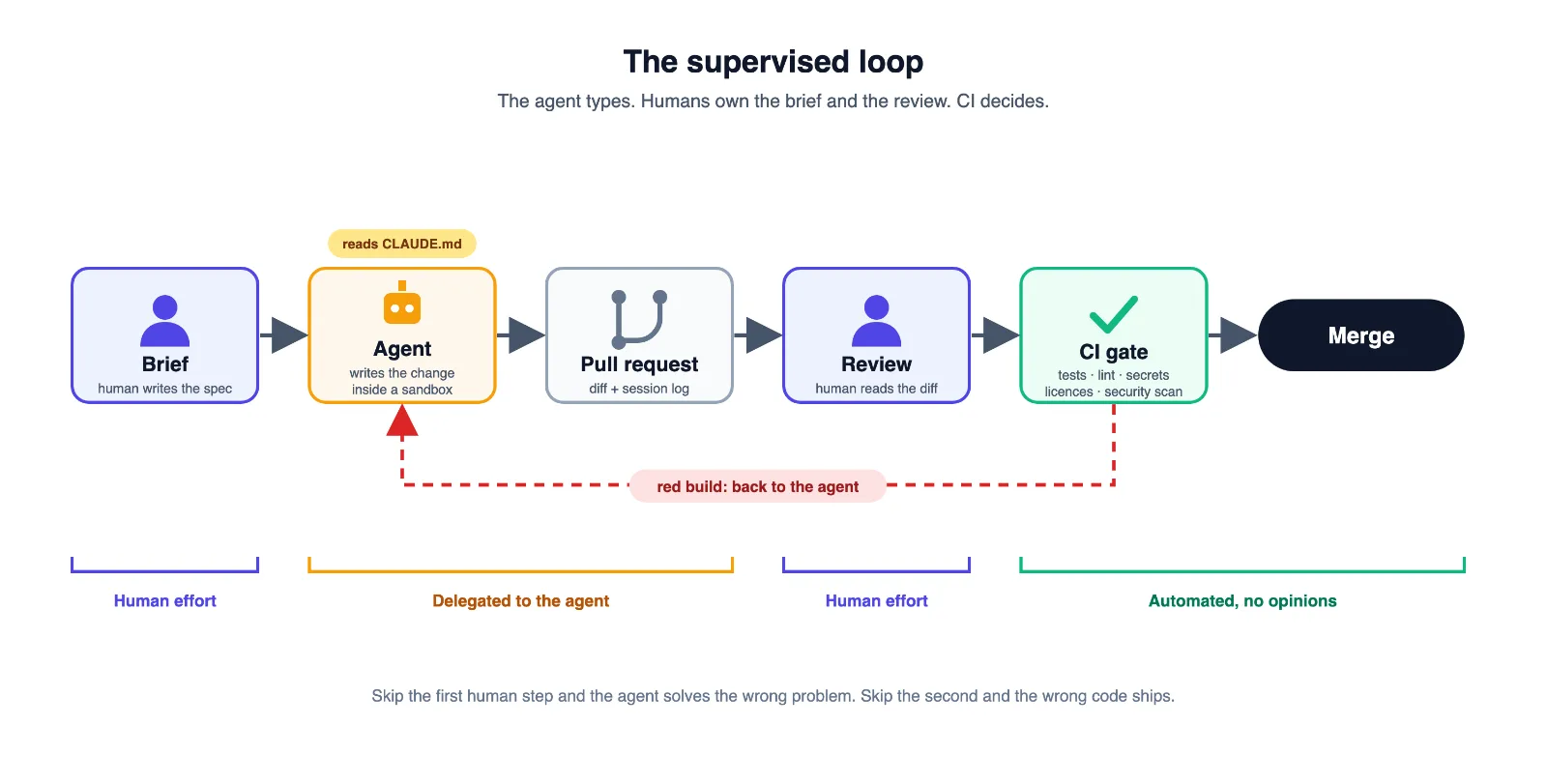
Enterprise Vibe Coding: How Big Companies Let AI Write Code Without Losing Control
Vibe coding started as a weekend-hack habit. Now it is showing up inside banks, insurers and logistics firms, with guardrails the hobbyists never needed.

Claude Fable 5.1: The Benchmarks, the New Price, and What Changed in the Safeguards
Anthropic shipped Fable 5.1 and Mythos 5.1 on 1 September 2026. Same token price as Fable 5, a 75% cut on cache reads, and a jump from 24.7% to 52.6% on agentic science. Here are the numbers behind the announcement, chart by chart.
WebMCP: How Chrome Is Turning Websites Into Tools for AI Agents
Google and Microsoft's browser-side Model Context Protocol lets a page hand an agent a list of things it can do. Here is how it works, how to add it to your site today, who benefits, and where it is going.
Grok: What xAI’s Chatbot Is Built to Do
A practical look at Grok’s personality, real-time information, strengths, limits and the questions to ask before making it part of your workflow.

Pansod: A €10 Way to Publish a 360° Virtual Tour and Embed It Anywhere
Pansod is a browser-based spatial storytelling tool from LABVR: upload panoramas, place hotspots, link scenes, publish, embed. No subscription — one tour is a one-off €10 for the year. Here is what it does, how the pricing stacks, and what to check before you commit.

Who Leads AI Right Now? Model Rankings Across Text, Coding, Vision, Image and Video (August 2026)
One lab tops the chat and coding boards, another owns image generation, and text-to-video now belongs to China. A tour of the August 2026 leaderboards, with the numbers, the caveats and the charts.
Computer Use, Browser Use, Skills and Files Go GA: How Claude Now Drives Apps That Have No API
Anthropic’s 19 August release takes four agent building blocks out of beta on the Claude Platform. Here is how each one actually works, why it means fewer round trips per task, and how they fit together in a Managed Agent.
How to Use AI Well: A Practical Guide From Beginner to Pro
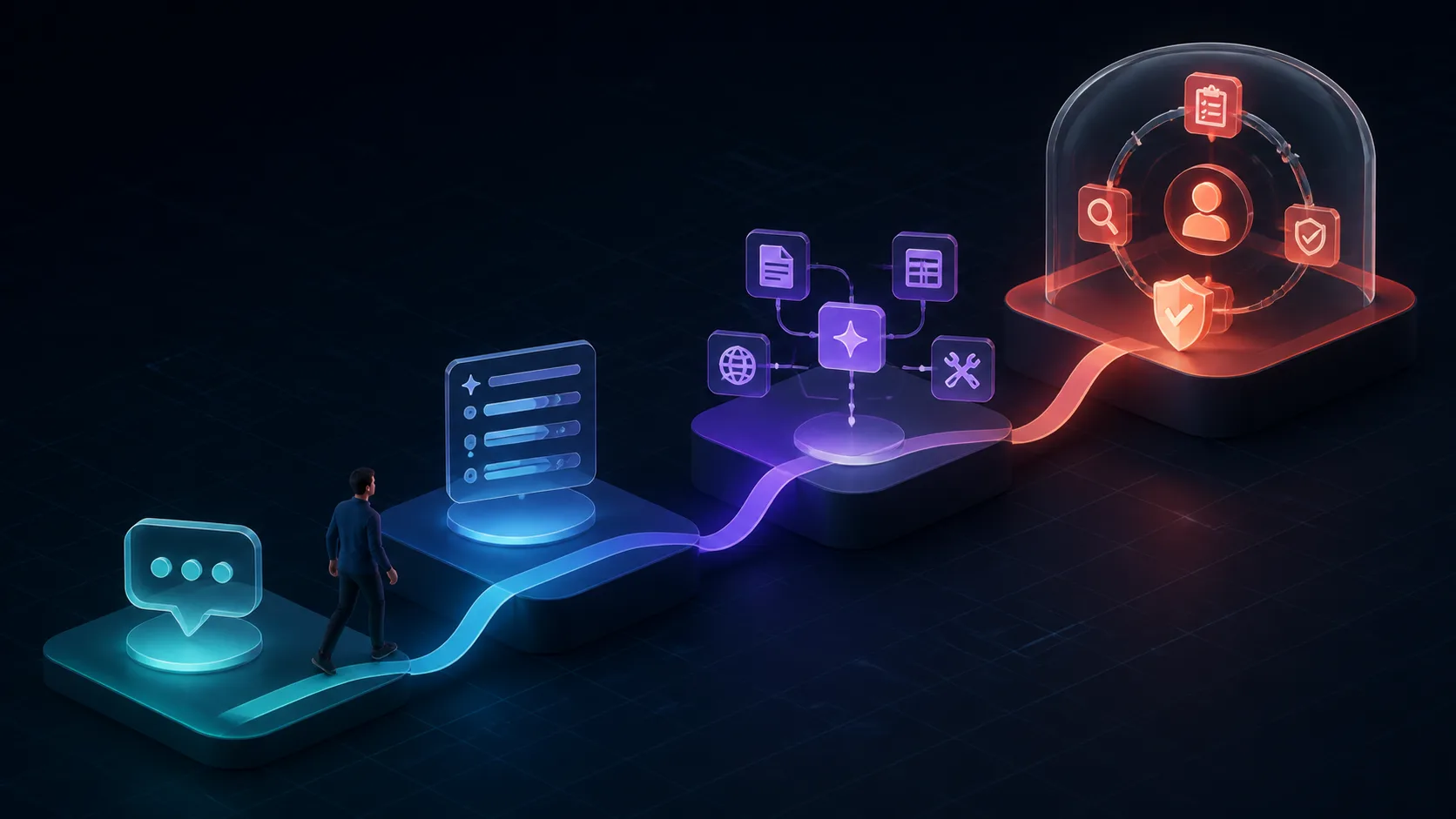
Four levels of AI skill — from asking your first question to running agents — with the habits, prompt patterns and guardrails that separate people who get real work done from people who get plausible nonsense.
MCP Goes Stateless: What Anthropic’s New Protocol Core Changes for Server Builders
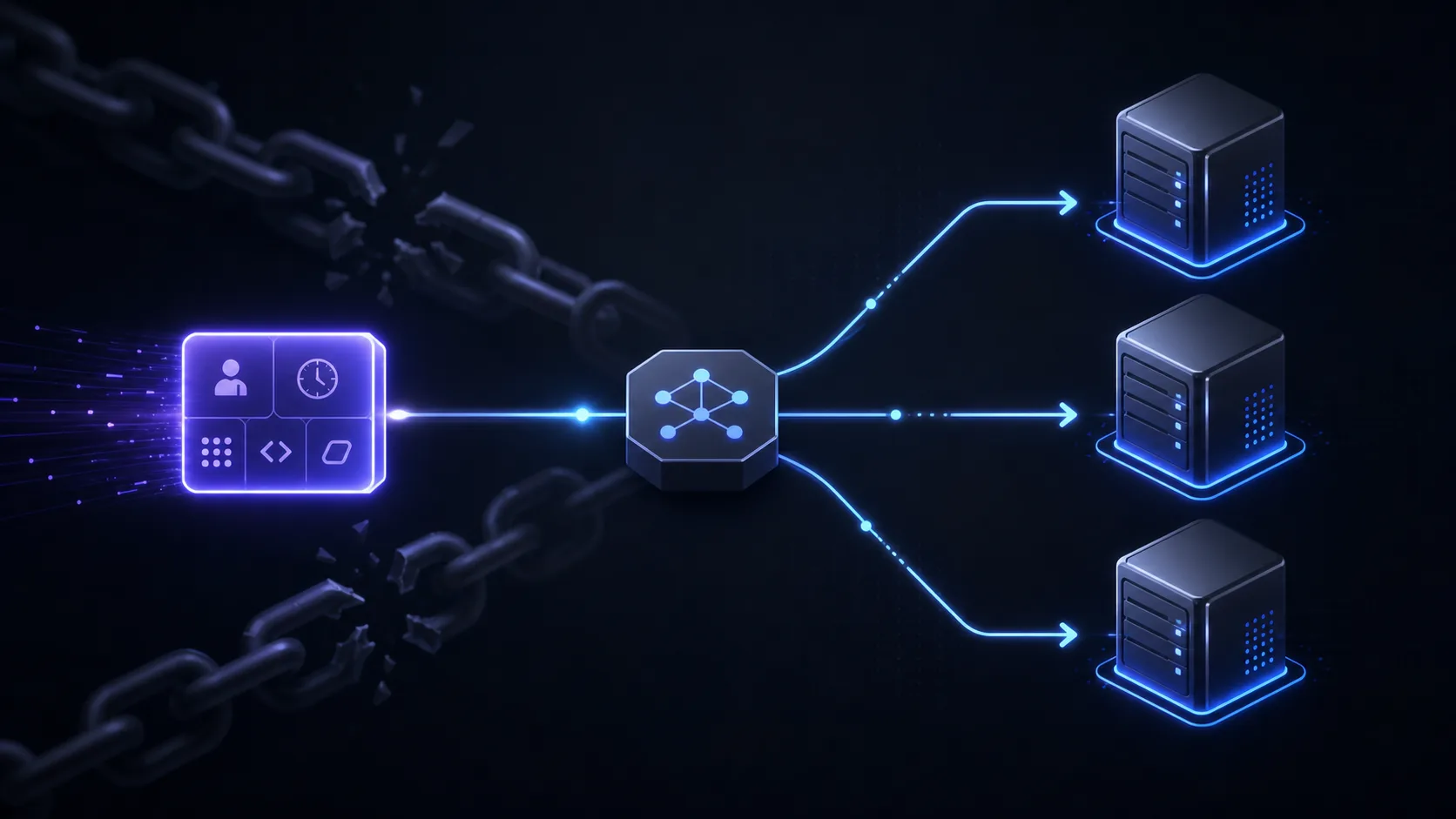
The 2026-07-28 spec drops the session handshake and makes every request self-describing. Here is what that means if you run, build or route MCP servers.

AI Trading Agents: A Practical Guide to Building and Running One
How trading agents work in 2026: system architecture, rules and AI methods, rigorous backtesting, risk controls, deployment, and an interactive simulator.

Claude Watermarks Explained: What Anthropic Marks, What Survives, and What It Means for Code
A detailed fact-check of the viral “Claude watermarks your code” claim—covering statistical text marks, C2PA provenance, Claude Code, EU rules, limitations and practical examples.
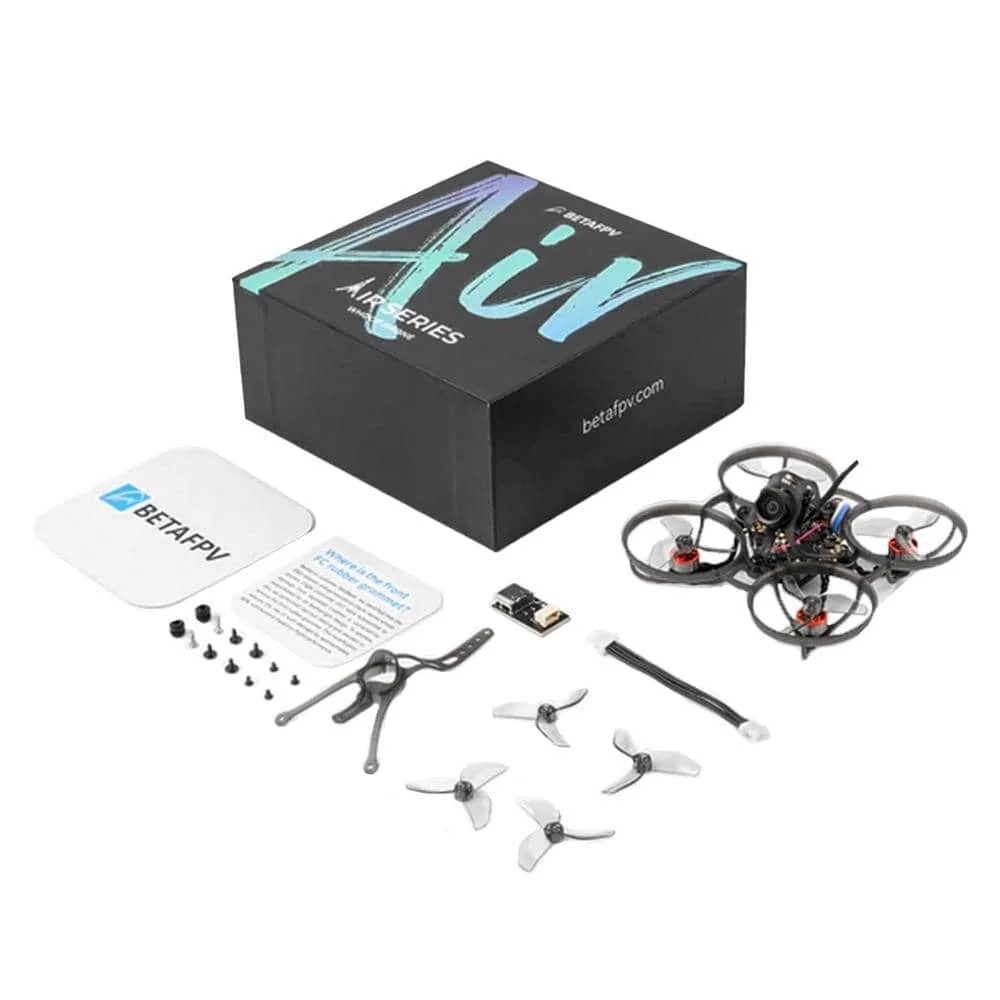
FPV Drones in Summer 2026: What’s New in Goggles, Cameras and Motors
DJI O4 goes wider, 360-degree flying arrives, HD goggles split into premium and budget camps, and tiny-whoop motors get a serious efficiency upgrade.
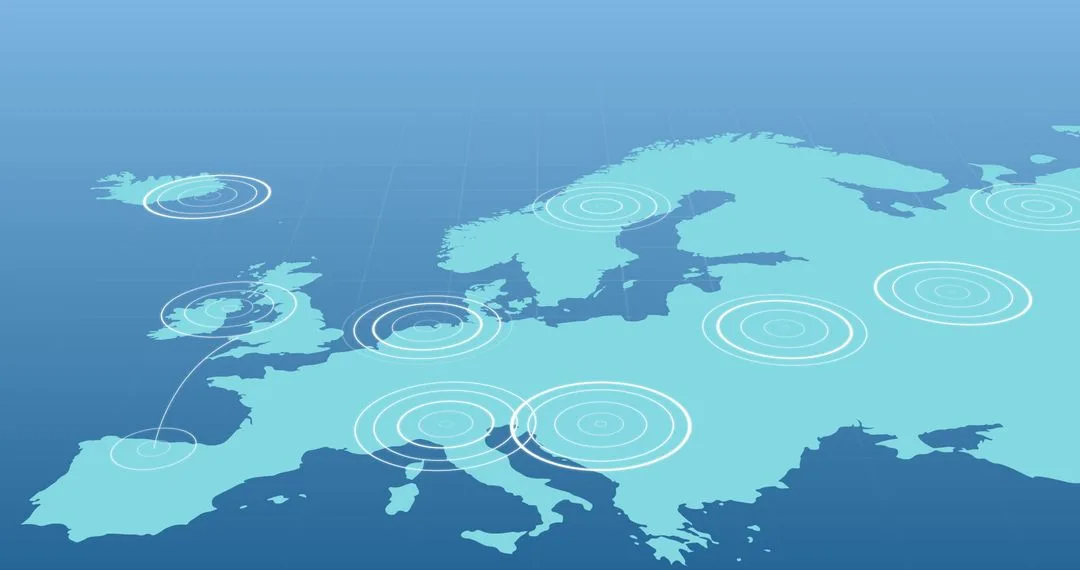
Where European Businesses Use AI Most: The 2026 Map
Eurostat’s 2026 edition reveals a wide AI-adoption gap across Europe. Explore the geographic map and the companies leading the region.
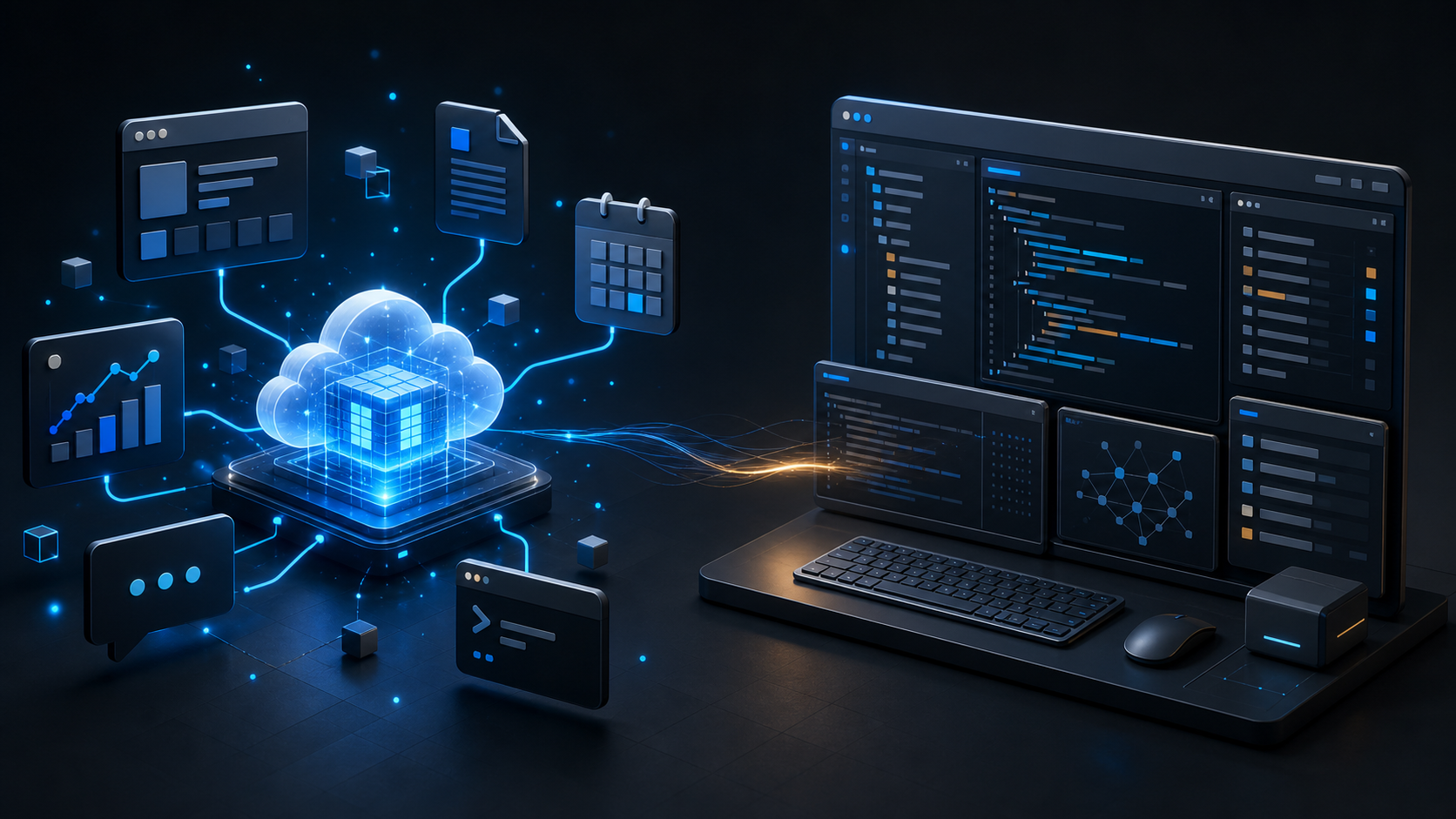
Grok Bot and Cursor Explained: Features, Plans and How They Work
Grok Bot is a persistent cloud-computer agent; Cursor is an AI coding environment. Here is how they differ, overlap and what each plan actually unlocks.

CS2 & FACEIT Right Now: New Maps, a Smarter Elo Reset, and Five-Year Cheat Bans
Valve shipped its biggest map refresh since launch, and FACEIT opened Season 9 with a personalized Elo reset and its harshest ban policy yet. Here is everything that changed, in one place.
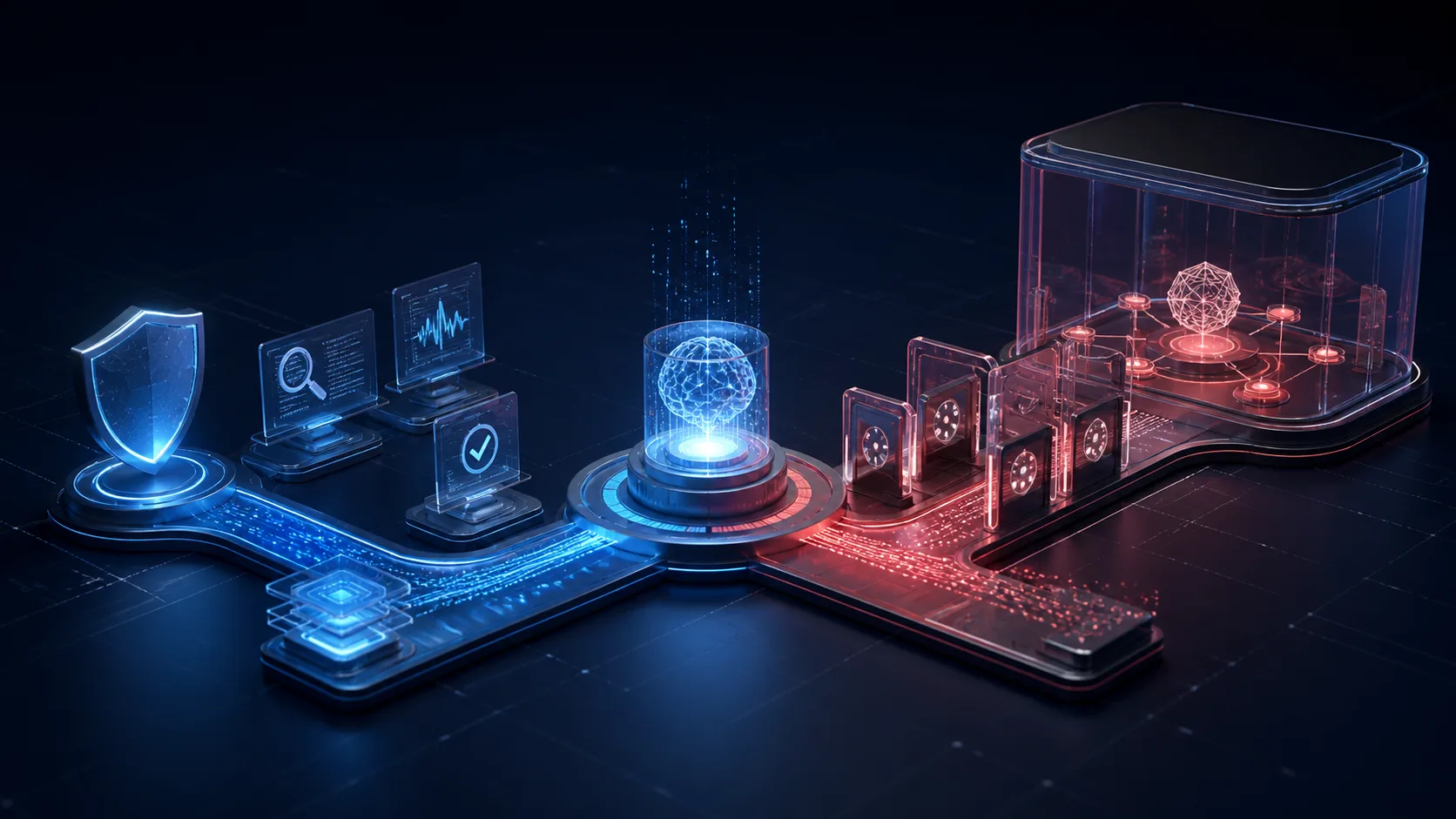
OpenAI This Week: Daybreak Blue and Red Redefine AI Security Access
OpenAI’s new two-tier program separates everyday defensive security work from advanced, explicitly authorized testing.
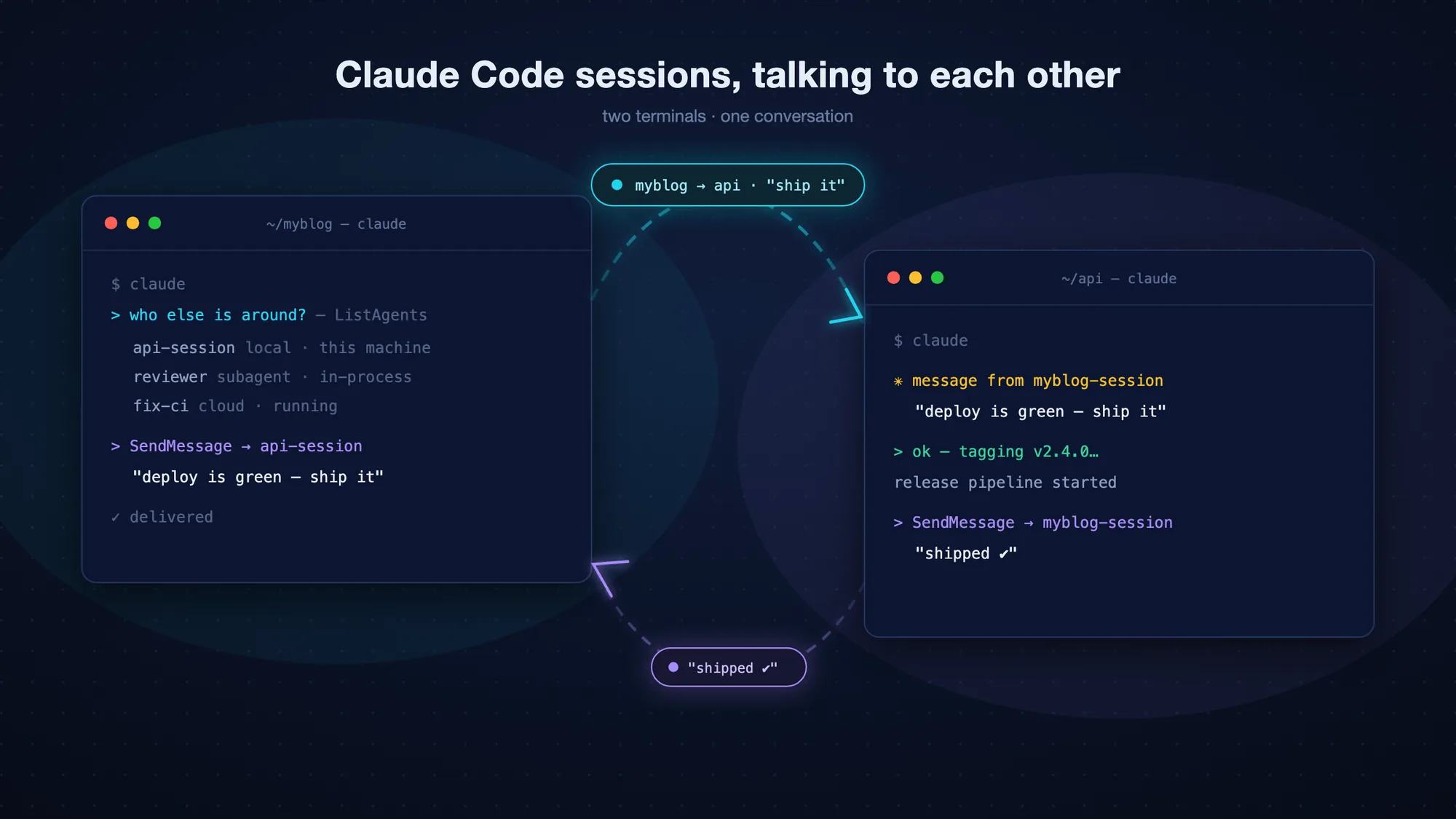
When Claude Code Sessions Start Talking to Each Other
Every terminal used to be an island. Now one session can discover the others — local, cloud, or another machine entirely — and just send a message.
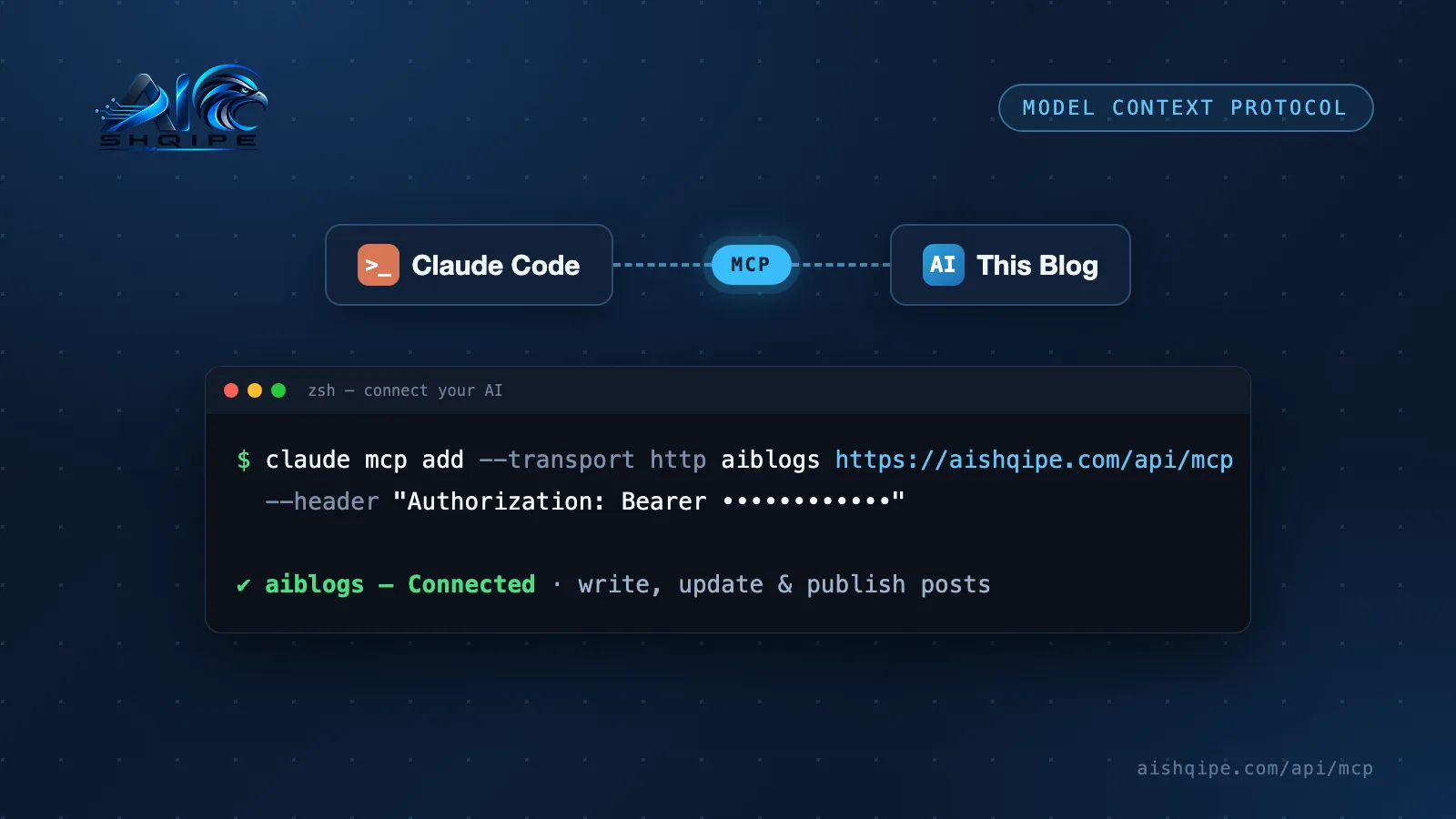
This Post Was Written and Published Over MCP
One token, one command, and Claude Code could write here. No SDK, no custom client — this post is the proof.
Claude Code vs Codex: Which AI Coding Agent Fits Your Workflow?
Both can read, edit, test and review code. The real difference is how they fit into your workflow — local control, parallel delegation and everything between.