
FPV Drones in Summer 2026: What’s New in Goggles, Cameras and Motors
DJI O4 goes wider, 360-degree flying arrives, HD goggles split into premium and budget camps, and tiny-whoop motors get a serious efficiency upgrade.
Summer 2026 is not delivering one universal “best FPV system.” It is doing something more useful: widening the choices. DJI has pushed immersive capture into 360 degrees and fixed the narrow view of its lightest O4 unit. HDZero has turned its premium goggles into a cleaner digital-and-analog command center. Caddx and BETAFPV are driving the price of entry-level HD down, while tiny-whoop designers are rebuilding frames, flight controllers and motors around heavier digital cameras.
This guide covers the products that matter as of August 14, 2026, what has genuinely changed, and which upgrades make sense for racing, freestyle, cinematic flying and first-time pilots. Prices are the listed US or European prices at the time of checking; availability and radio limits vary by country.
The biggest FPV drone news
DJI Avata 360: one flight, every camera angle
The DJI Avata 360 was announced in March and began shipping in late April, making this its first full summer in pilots’ hands. It is not a normal carbon-frame freestyle quad. It is a guarded, stabilized camera drone built around two ways of filming: a 360-degree lens mode and a conventional single-lens mode.
In 360 mode, DJI uses 1-inch-equivalent imaging hardware to record up to 8K/60fps HDR video and 120-megapixel photos. Because the aircraft records everything around it, the final camera direction can be chosen after landing. A single pass can become a forward chase, side tracking shot, orbit, reveal or virtual flip without flying the line again. Single-lens mode records the more familiar Avata-style view at up to 4K/60fps.
The flight platform also moves beyond the Avata 2: DJI lists O4+ transmission with a 1080p/60fps live feed, up to 20 km under its stated test conditions, up to 23 minutes of flight time, omnidirectional obstacle sensing in supported modes and 42 GB of internal storage. The lenses are replaceable, which matters on a camera that may spend its life close to branches, walls and vehicles.
The important limitation is control character. The Avata 360 is for creators who want an immersive, assisted flight experience and flexible editing. It does not replace a light, repairable acro build for pilots who want full manual authority, low crash costs and easy component swaps. DJI’s European launch price started at €459 for the aircraft alone and €939 for the Motion Fly More Combo.
BETAFPV Air65 II: the analog whoop gets a serious redesign
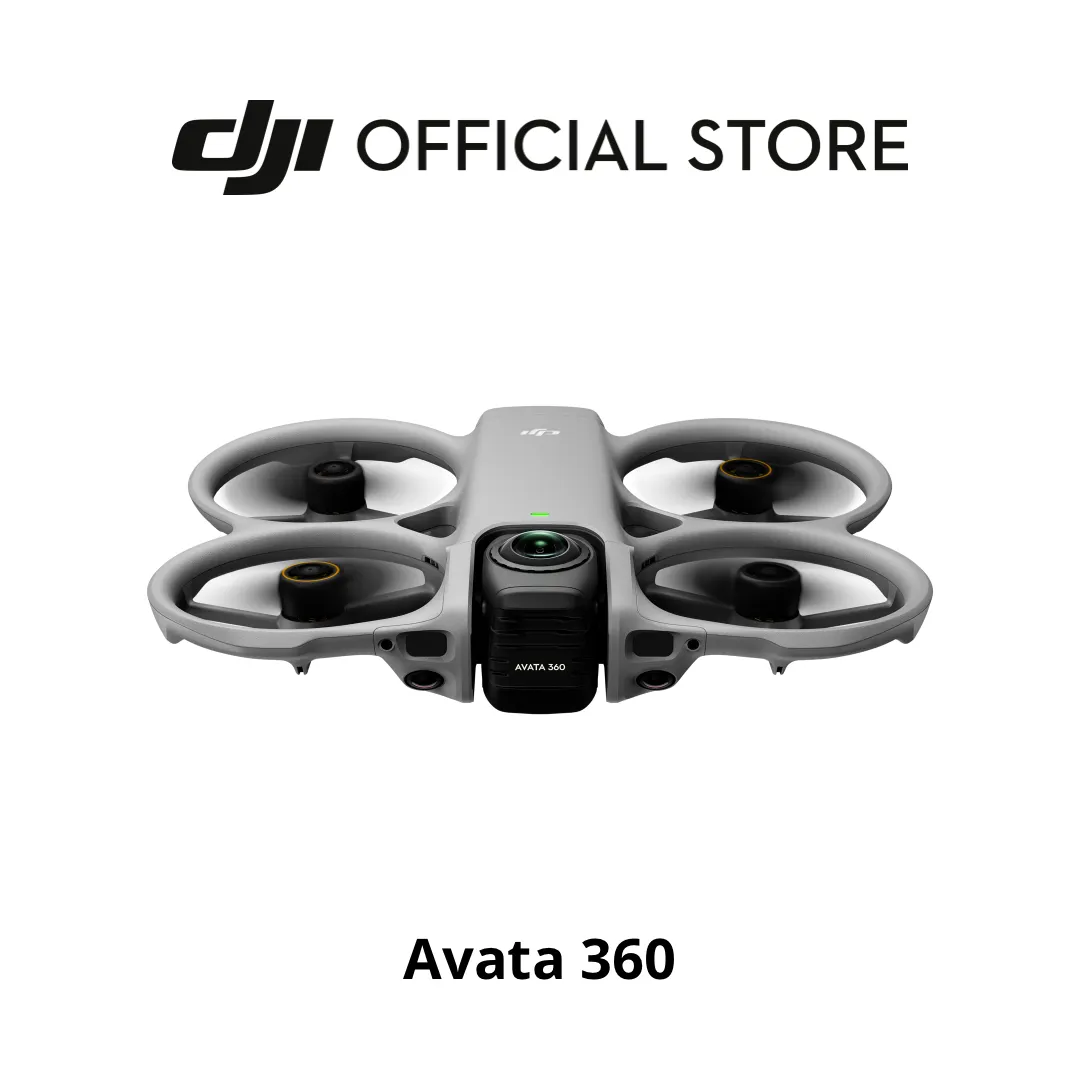
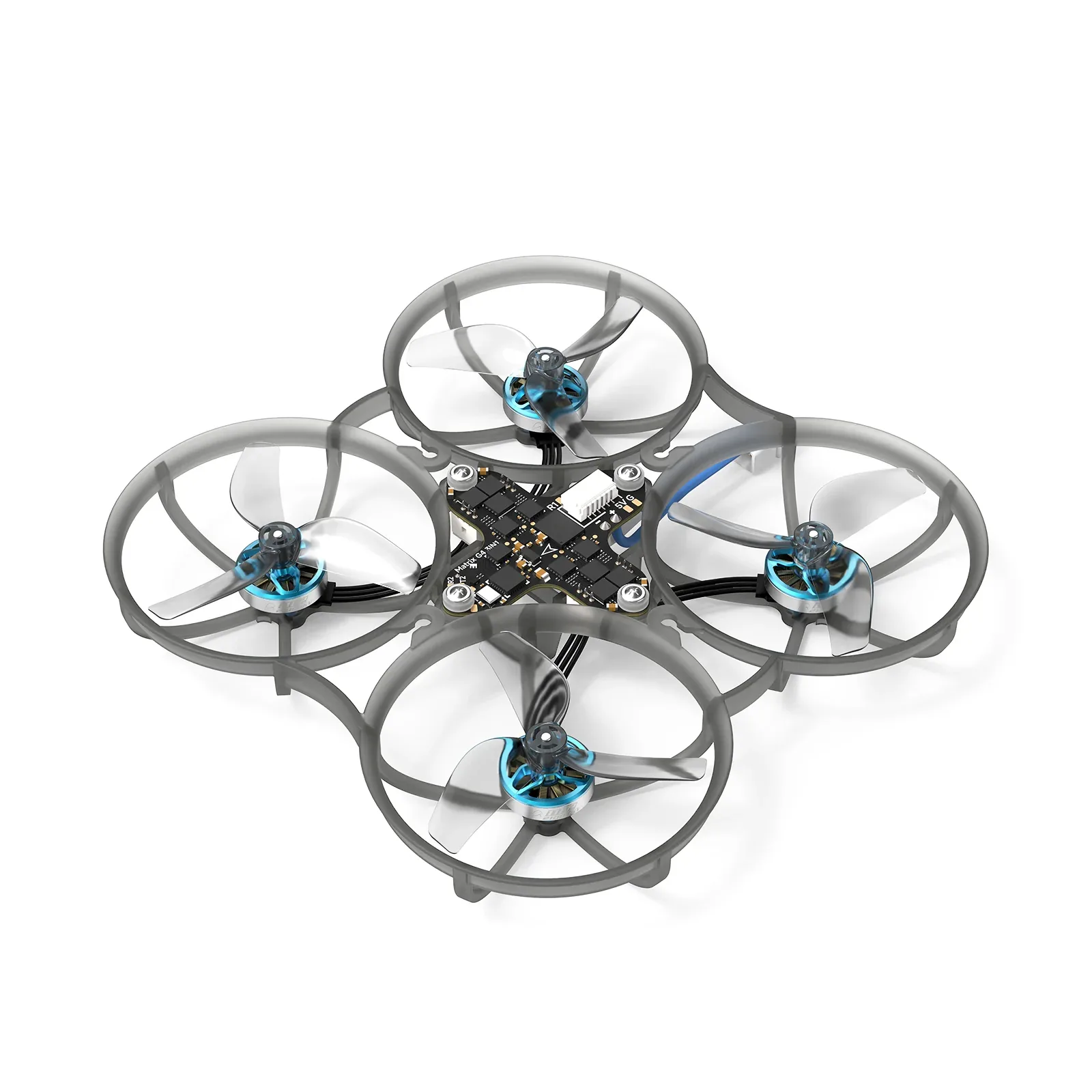
The Air65 II is the clearest sign that analog tiny whoops are not disappearing. The Champion version weighs only 16.6 g before the battery, yet BETAFPV claims a 6.3:1 thrust-to-weight ratio. Racing and Freestyle versions trade some peak response for different throttle behavior, so buyers can choose a tune instead of treating every 65 mm whoop as the same aircraft.
More important than the headline weight is the structure underneath it. The Matrix 1S 5-in-1 II flight controller uses a 12 A continuous, 18 A peak ESC and a thicker 1.0 mm PCB. A three-point mounting layout is intended to reduce crash stress. The redesigned canopy weighs 0.5 g and offers camera angles from 15 to 45 degrees. That combination targets the two classic whoop failures: fragile electronics and a canopy that shifts or breaks after repeated wall impacts.
At $104.99, the Air65 II is still a specialized machine. Choose Champion for maximum acceleration and organized racing, Racing for fast technical tracks, or Freestyle for smoother low-throttle control around a house or garden. It is not an HD camera platform; its appeal is minimal weight, fast response and cheap crashes.
Meteor65 Pro II O4 and Meteor75 Pro II O4: tiny whoops built around the wider camera
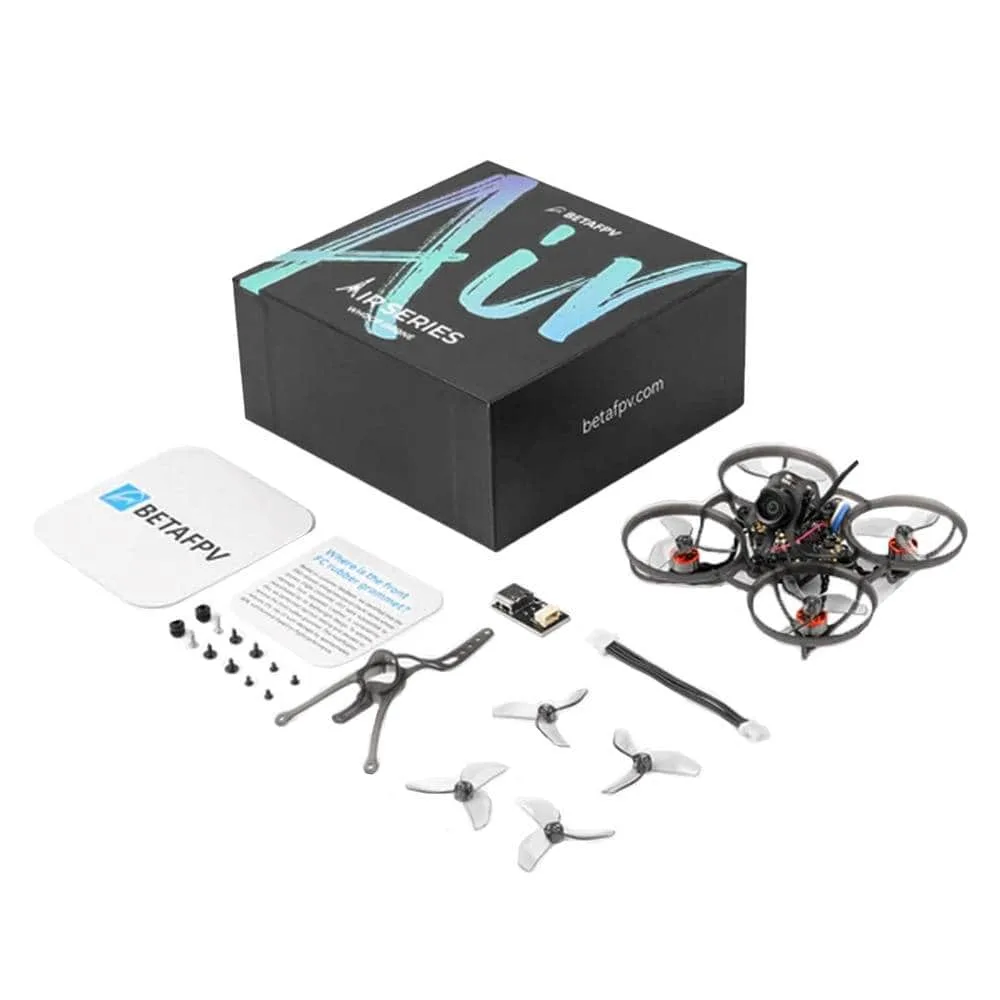
DJI’s new camera immediately created a second wave of aircraft. BETAFPV’s Meteor65 Pro II O4 and Meteor75 Pro II O4 are not simple camera swaps; their frames, canopies, damping and propulsion were revised to carry the O4 Wide system.
The Meteor65 Pro II O4 stretches to a 70 mm wheelbase and weighs 36.2 g. It uses 0802 Freestyle motors, 35 mm-class tri-blade props and a 480 mAh 1S battery for a claimed flight time of about four minutes. That is substantially heavier than an analog 65 mm whoop, but the extra mass buys stabilized HD recording and a genuinely immersive live view.
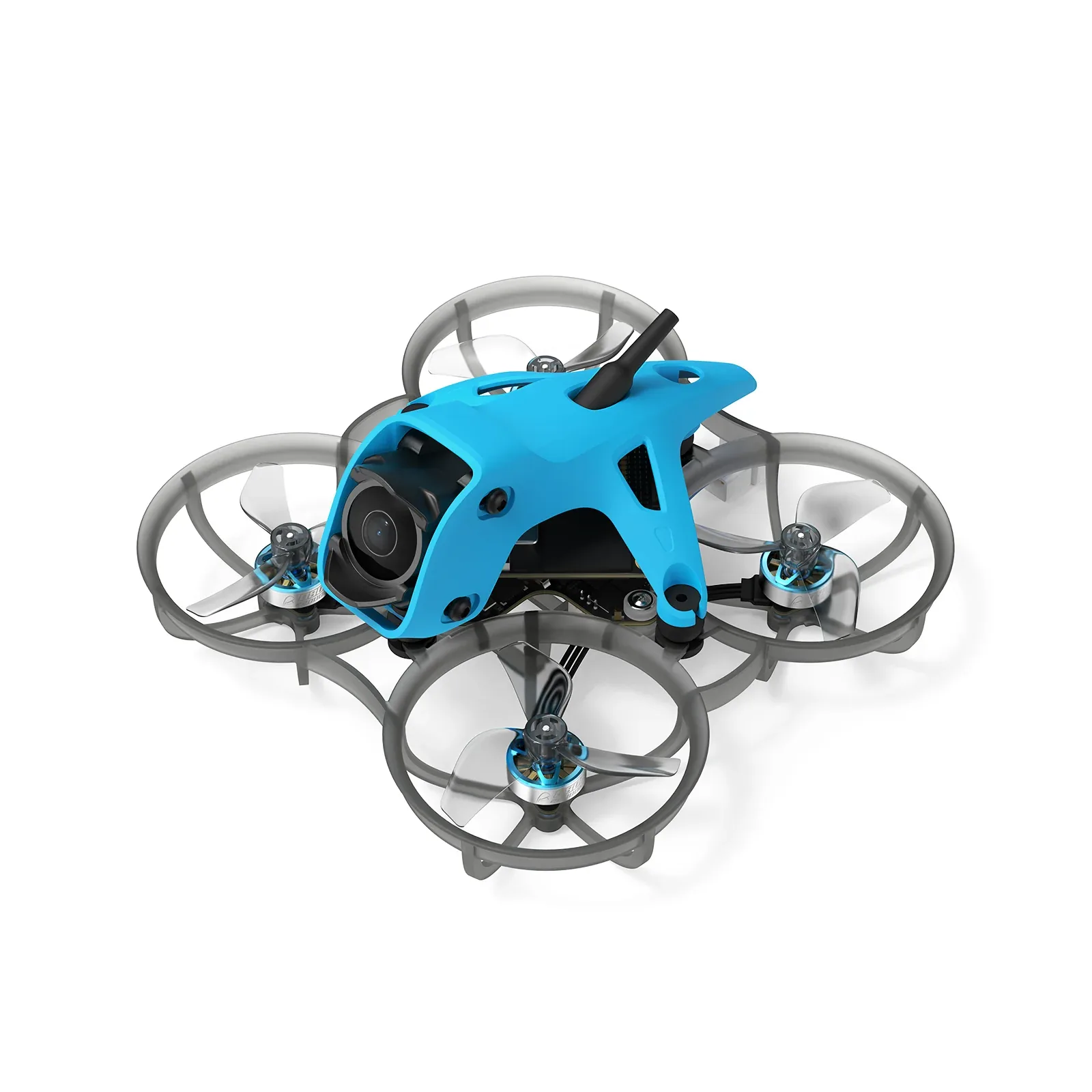
The Meteor75 Pro II O4 is the more convincing outdoor and cinematic option. Its 1102 Freestyle motors, larger props and 680 mAh 1S battery provide up to six minutes of claimed flight time, with more authority to carry the digital system. Both complete O4 Wide versions were listed at $238.99. Indoor pilots with small rooms should still favor the 65; pilots who want smoother outdoor lines and less strained propulsion should look first at the 75.
Cameras and video links: the real center of the 2026 battle
DJI O4 Wide Air Unit fixes the view, not the whole platform
The original light O4 Air Unit brought 4K recording to very small builds, but its view felt narrow to pilots accustomed to analog cameras, HDZero or the O4 Pro. The O4 Wide keeps the same basic platform and adds a much broader 159-degree recording field of view. It also moves to common M2 camera screws, a small but welcome repairability improvement.
The core specifications remain familiar: a 1/2-inch sensor, up to 4K/60fps onboard recording, high-frame-rate 1080p transmission and compatibility with the current DJI goggle ecosystem. The wider lens makes gaps easier to read and gives freestyle footage more sensation of speed. It is the version the lightweight O4 should have been from the beginning.
There are tradeoffs. The full camera, transmitter and antenna assembly is around 13 g, depending on how it is measured, so it is much heavier than analog and noticeably heavier than the original light O4 package. The larger lens needs a matching canopy and new filters. Independent testing also indicates that the gyro hardware remains unchanged, so careful soft mounting is still important if a build shows jello after stabilization.
DJI says the O4 Wide is not sold or supported in the United States or Puerto Rico. Pilots in those markets should not assume an imported unit will receive normal local service. Everywhere else, check regional transmitter-power limits and retailer availability before designing a frame around it.
Affordable HD: Caddx Ascent and BETAFPV ArtLynk
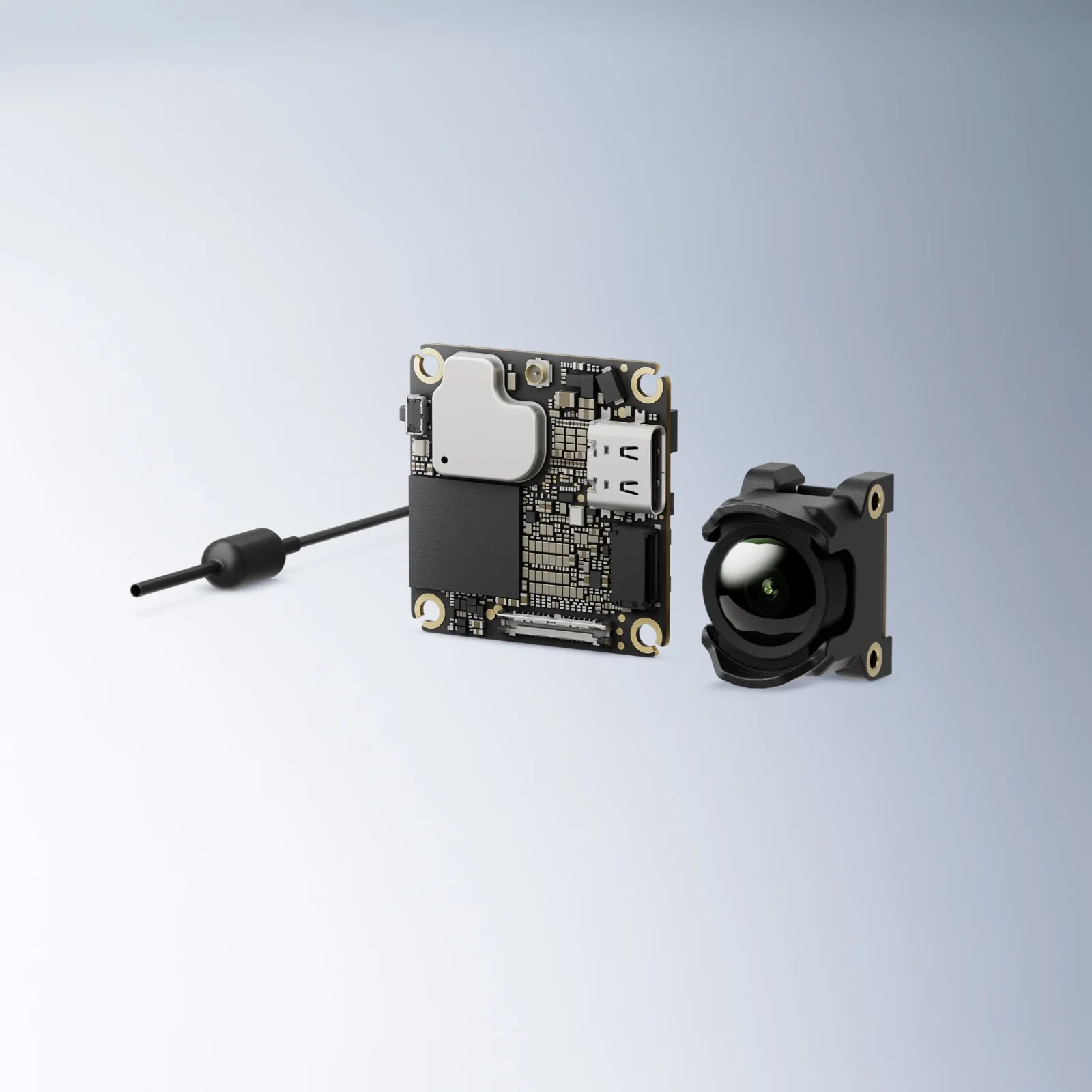
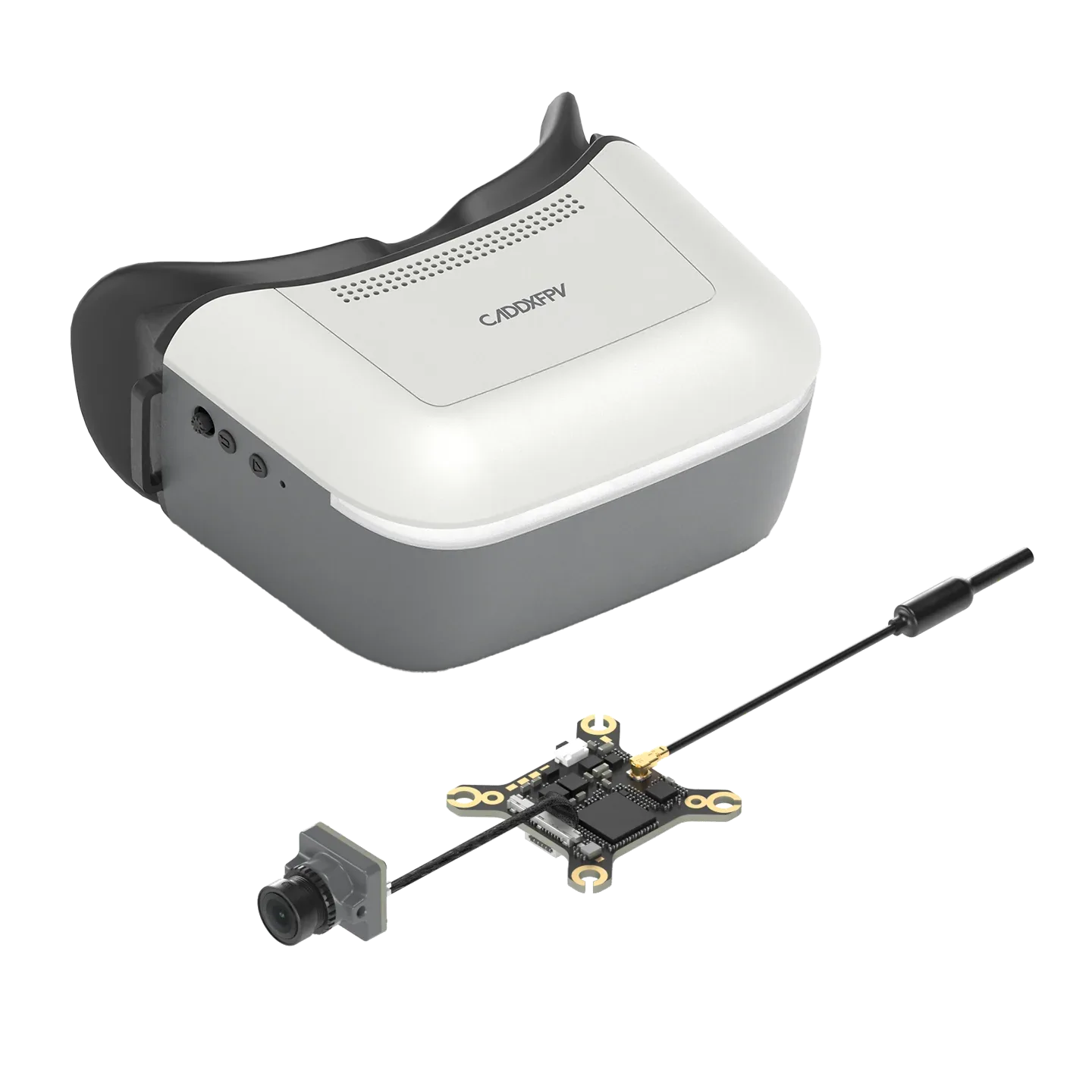
The most disruptive change is happening below DJI’s price level. Caddx’s Walksnail Ascent line lists a 6 g Lite VTX kit at $35.99, 1080p/60fps video and latency as low as 35 ms in its specified conditions. The $99 Ascent VRX adds HDMI output, dual antennas, Canvas Mode OSD and local recording, letting pilots use a display or goggles that already have HDMI input. The dedicated Ascent box goggles were listed at $149.
BETAFPV’s P1 Air Unit occupies the same new budget-HD category. It costs $37.99, weighs about 6.5 g without its antenna, uses a 1/2.9-inch sensor with a 170-degree field of view, sends 1080p/60fps video and supports Canvas Mode. BETAFPV claims more than 5 km in open-area testing at its maximum stated power, but also quotes approximately 60 ms glass-to-glass latency. That is acceptable for cruising and learning; it is not the same proposition as fixed-latency racing video.
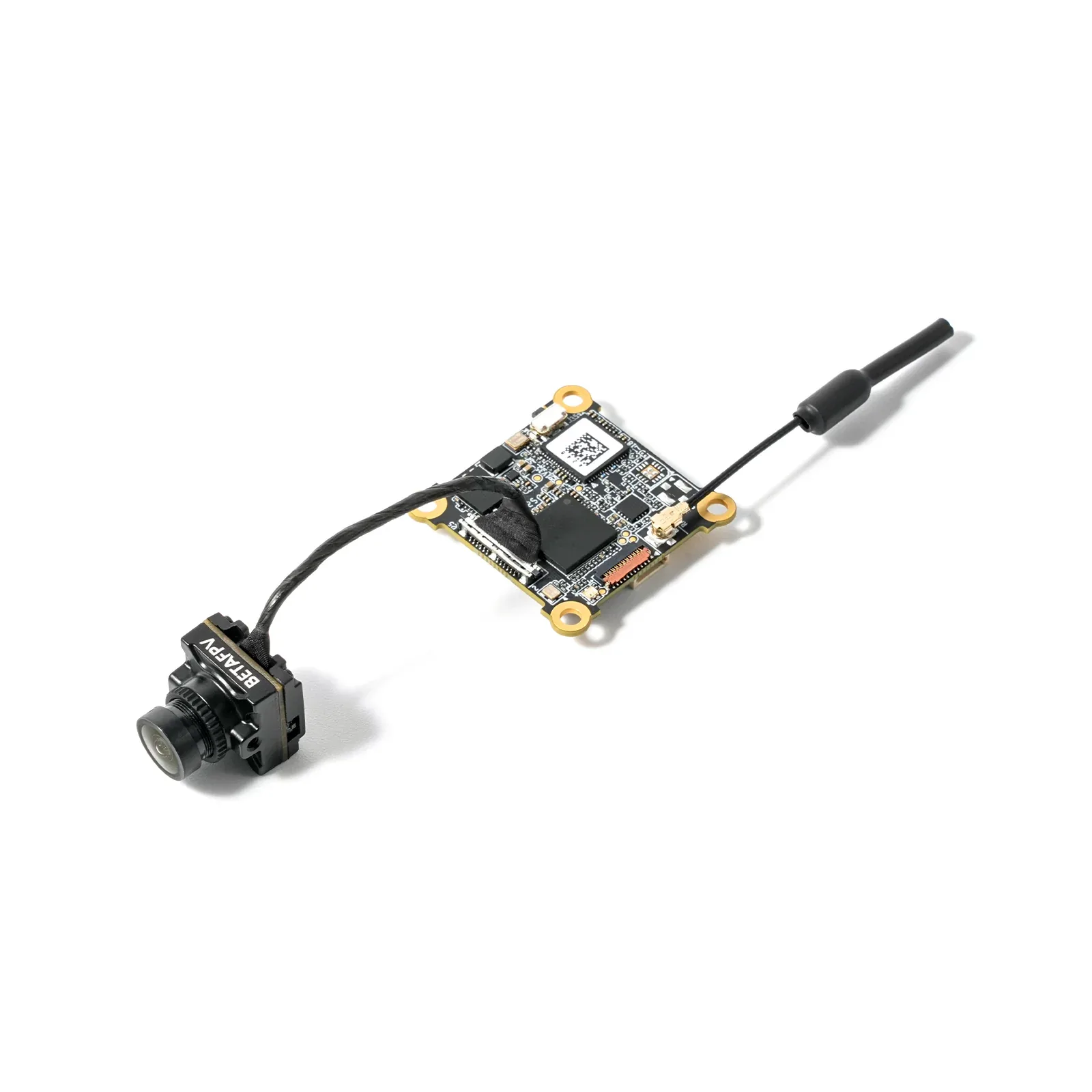
Do not buy these products merely because they appear to use related Artosyn technology. Compatibility follows firmware and the manufacturer’s implementation, not the chipset name printed in a specification. Caddx states that its Ascent VRX works only with Ascent transmitters. BETAFPV warns that P1 and VR04 HD version 2 firmware cannot bind to version 1 firmware. Update the air unit and goggles together before the first flight.
What is new in FPV goggles
HDZero Goggle 2: premium goggles with fewer external boxes
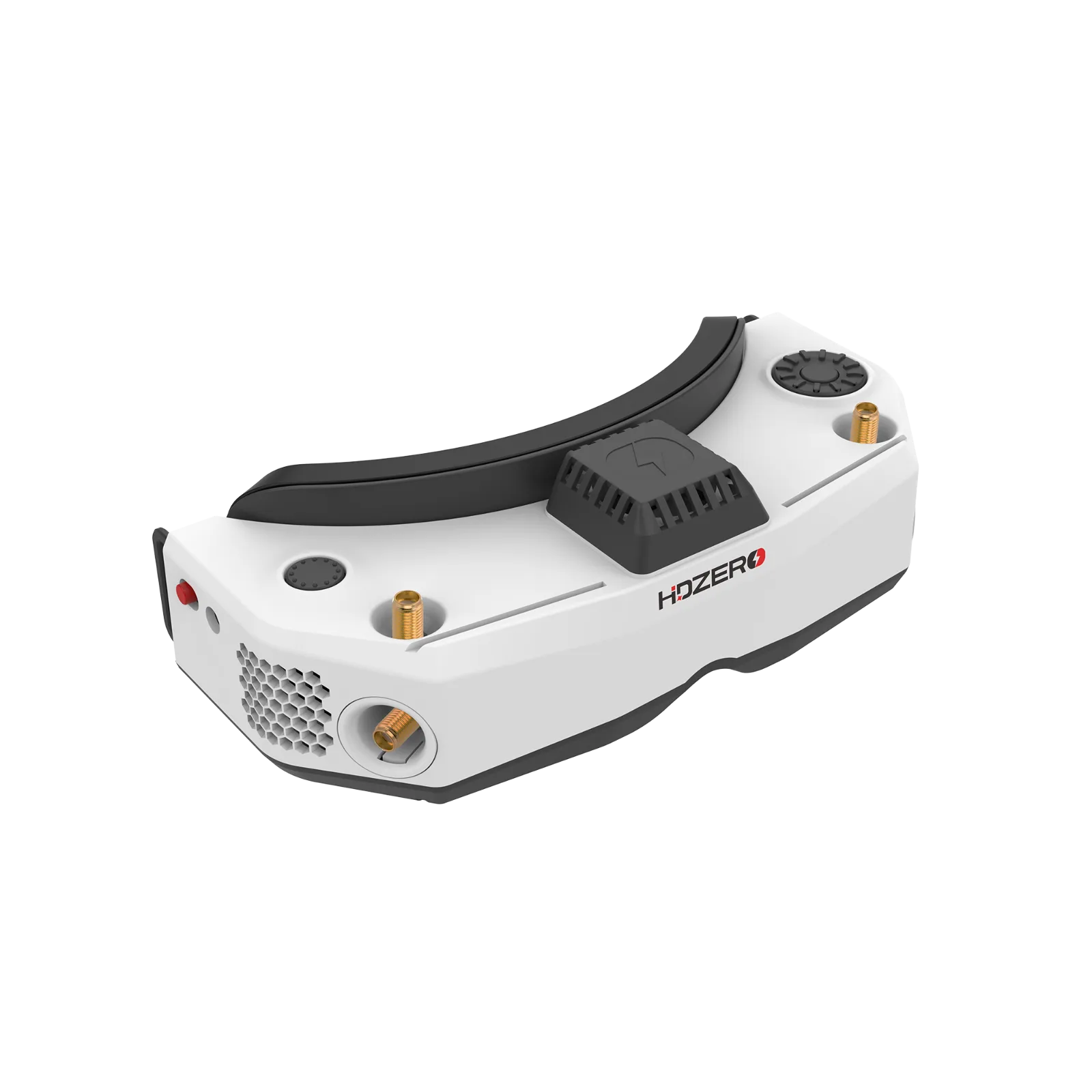
HDZero Goggle 2 is the most complete enthusiast goggle update in this roundup. It uses 1920×1080 OLED microdisplays at up to 90 fps with a 46-degree field of view. HDZero quotes under 3 ms from its camera glass to the goggle glass, under 2 ms for an analog camera path and under 1 ms for HDMI input.
The second generation’s practical changes matter more than a resolution race: the optical module is redesigned to resist dust, the analog receiver is built in, Wi-Fi mirroring is integrated and a hard case is included. It retains HDMI input and output, H.265 DVR, ELRS backpack support, head tracking, a side analog module bay, adjustable 58–72 mm IPD and focus from +4 to –7 diopters.
At $699.99, this is not the budget route into digital FPV. It makes sense for racers, mixed analog/HDZero fleets and pilots who want one high-quality display that can accept external HDMI receivers. The price is harder to justify if every aircraft you own already uses DJI O4 and you do not plan to race.
DJI Goggles 3 and Goggles N3: no new headset, but new importance
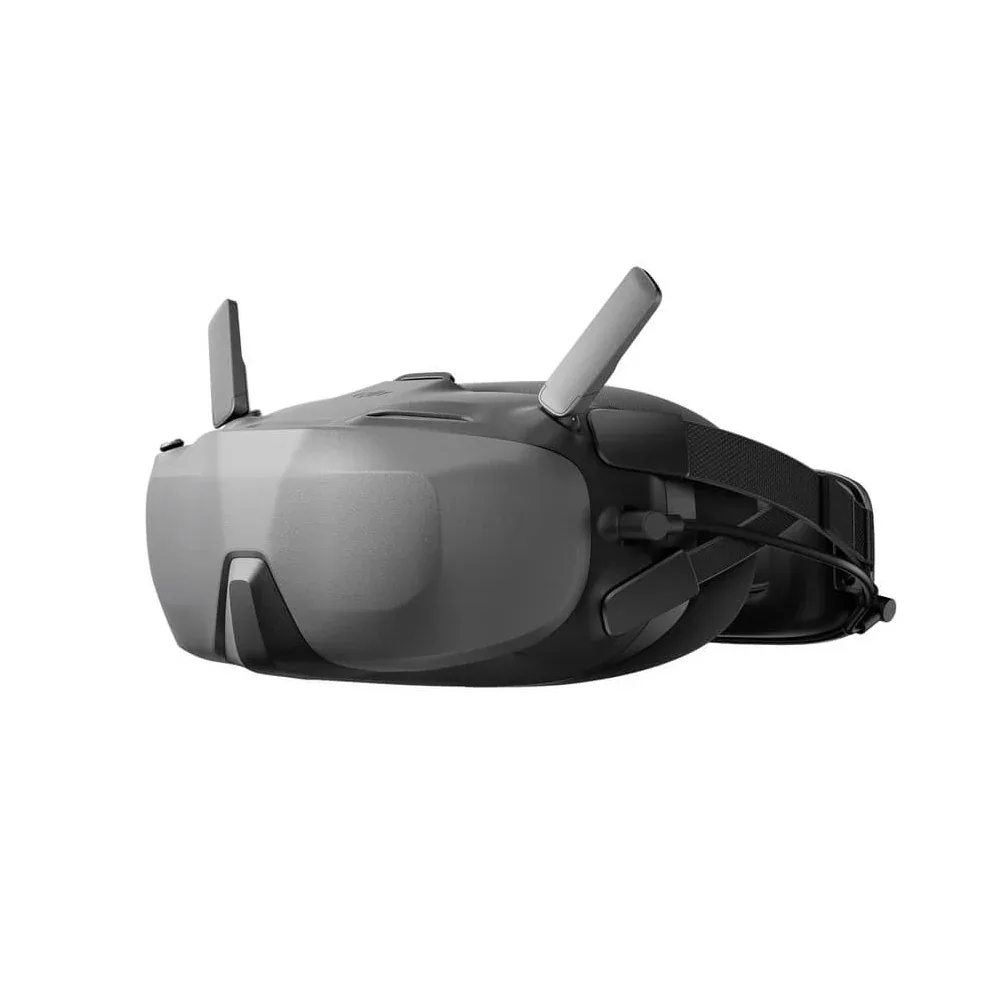
DJI has not introduced a new FPV headset specifically for this summer. Instead, Goggles 3 and the lower-cost Goggles N3 became more valuable because they sit at the center of O4 Wide, O4 Air Unit, Avata 2, Neo, Neo 2 and Avata 360 compatibility. Goggles 3 remains the premium choice with 1920×1080 micro-OLED displays, up to 100 Hz refresh and a 700-nit maximum brightness. Goggles N3 is the simpler entry point for pilots who are comfortable staying inside the newer DJI ecosystem.
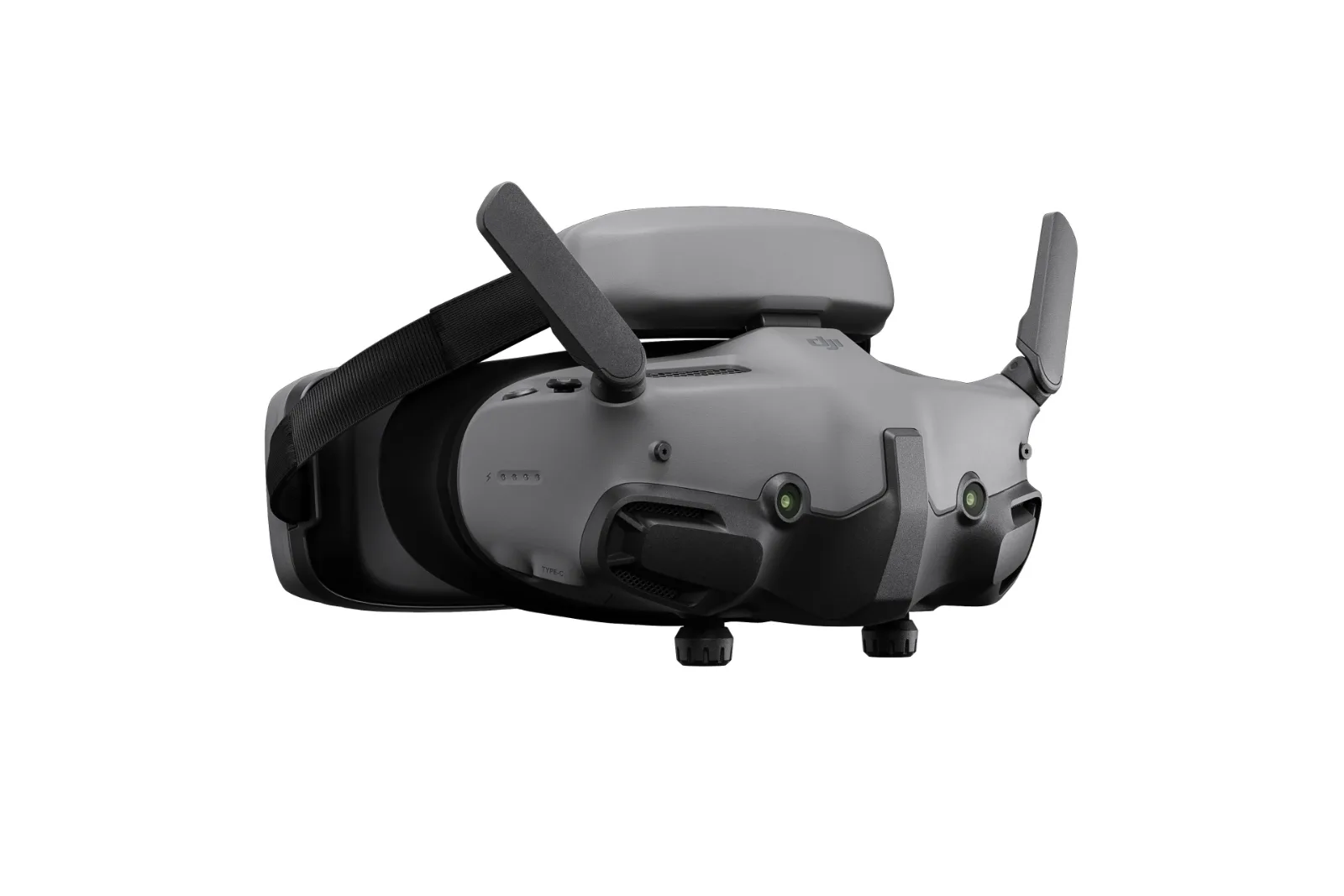
Compatibility is not one flat list. With O4 Air Units, DJI pairs Goggles 3 or N3 with FPV Remote Controller 3, while Goggles 2 or Integra pair with FPV Remote Controller 2. Third-party radios such as ExpressLRS can still control a custom quad through a separate receiver. The video link and control link are separate decisions, even when DJI sells them in one ecosystem.
Ascent and VR04 HD: the new budget box-goggle tier
The $149 Ascent goggles and BETAFPV VR04 HD target pilots who want 1080p digital video without spending premium binocular-goggle money. Their box format is larger and less refined than slim OLED goggles, but it offers a big central screen, easier sharing and a lower replacement cost. This category is especially attractive in ready-to-fly kits, where the drone, radio and video system arrive already matched.
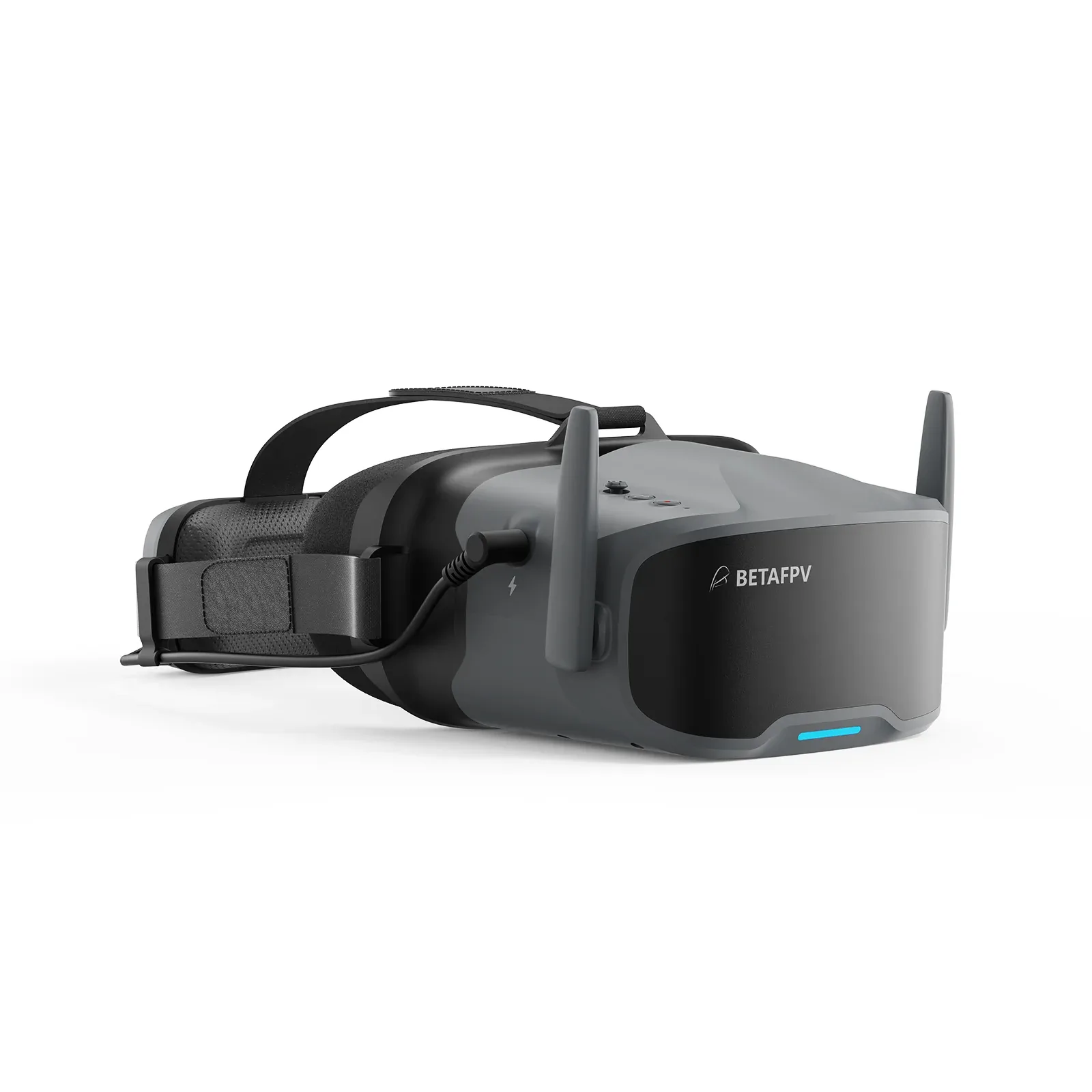
The compromise is ecosystem maturity. Firmware, binding procedures and cross-brand promises deserve more attention than with long-established analog equipment. Buy from a retailer with clear support, save known-good firmware files, and test failsafe, OSD and recovery from signal loss at ground level before flying behind obstacles.
Motors: smaller laminations, more specialized tunes
BETAFPV 0702 motors move to 0.10 mm stator laminations
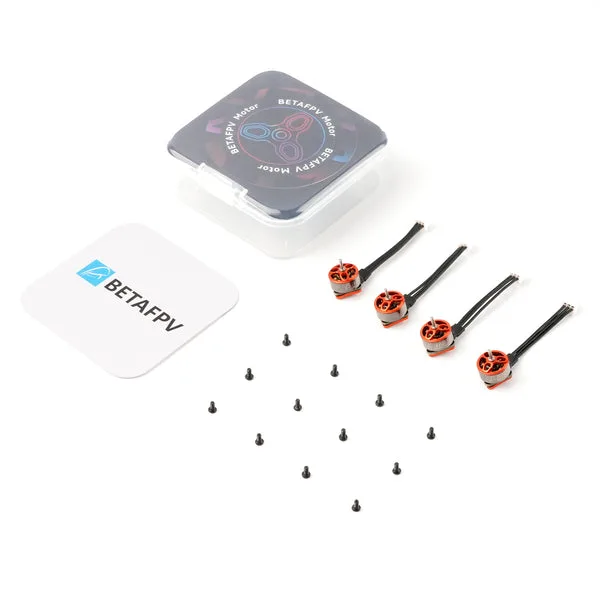
The most technically interesting motor release is BETAFPV’s 2026 family of 0702 motors for the Air65 II. The company uses 0.10 mm stator laminations instead of the more common 0.15 mm thickness. Thinner laminations are intended to reduce magnetic losses and heat, improving how much thrust the motor produces for each watt.
Three versions show where whoop propulsion is going. Champion runs at 36,000KV with dual-ball bearings and a listed maximum power of 27.53 W. Racing uses 30,000KV for a less extreme but still immediate response. Freestyle drops to 25,000KV to improve low-throttle control and efficiency. The Champion motor weighs 1.59 g; the other versions are about 1.50 g.
A higher KV number is not an automatic upgrade. It raises unloaded rpm per volt, but the real result depends on propeller load, battery voltage, ESC limits, tune and aircraft weight. Putting a 36,000KV race motor on a heavier cinematic whoop can shorten flights, increase voltage sag and make the first part of the throttle difficult to manage.
0802 and 1102 motors are being matched to digital mass
The new Meteor builds illustrate the opposite strategy. Instead of chasing the lightest motor, BETAFPV uses 0802 Freestyle motors on the 65 mm O4 Wide aircraft and 1102 Freestyle motors on the 75 mm model. More stator volume and larger props create the torque needed to carry a digital transmitter, heavier canopy and larger battery without feeling permanently overworked.
This is the summer’s most useful motor lesson: choose propulsion after the all-up weight and propeller are known. For a 16–18 g analog racer, 0702 is logical. For a roughly 36 g digital 65 mm build, 0802 makes more sense. For a larger 75 mm cinematic whoop, 1102 gives better control authority. Matching matters more than buying the newest motor.
Which FPV setup should you buy this summer?
For a complete beginner
Start with a radio and simulator before choosing a video ecosystem. If the goal is indoor practice at minimum cost, an analog Air65 II plus inexpensive analog goggles remains the most repairable route. If clear video is essential and racing latency is not, an Ascent or ArtLynk ready-to-fly kit offers a lower-cost path into HD. Confirm that the drone, goggles and firmware are sold as a matched set.
For tiny-whoop racing
Analog is still the weight and cost champion; HDZero is the premium digital racing choice. The Air65 II Champion is built for maximum acceleration, while HDZero Goggle 2 gives a fixed, very low-latency view and can also receive analog. DJI O4 Wide is visually impressive but its mass is a disadvantage on the smallest race builds.
For freestyle
O4 Wide is the standout camera update because the expanded field of view improves both control and the feeling of speed. Use it on a frame designed for the larger lens, provide good airflow and take camera damping seriously. Pilots who crash frequently should compare the cost of a replacement digital camera with the price of several analog cameras before committing an entire fleet.
For cinematic indoor and outdoor flying
Choose the Meteor65 Pro II O4 for tight indoor spaces, the Meteor75 Pro II O4 for smoother outdoor lines and longer flights, or Avata 360 when reframing after the flight matters more than acro performance. The Avata is the creative tool; the Meteors are the repairable pilot’s tools.
For pilots with several video systems
HDZero Goggle 2 is the strongest hub because it handles native HDZero, built-in analog and HDMI input. That does not make every receiver magically compatible: DJI has no standard external receiver for these goggles, and Ascent still needs its own HDMI VRX. Count cables, batteries, antennas and setup time before assuming one headset will simplify everything.
Compatibility checklist before you spend
- Video first: write down the exact air unit and the exact receiver or goggles. “Digital” does not mean cross-compatible.
- Control second: verify ExpressLRS, SBUS or the matching DJI remote, and check whether a separate receiver is required.
- Power: confirm input voltage, connector pinout and regulator current. The P1 Air Unit is a 5 V device; do not treat it like a wide-input VTX.
- Physical fit: check camera width, mounting-hole spacing, lens clearance, coaxial-cable length and antenna placement.
- Cooling: never leave a digital VTX powered on the bench without airflow. DJI specifically recommends external cooling when ambient temperature is significantly above 25°C.
- Firmware: record the working versions before updating. P1/VR04 version 2 cannot bind with version 1.
- Region: advertised range and transmitter power depend on local limits. A product can also have country-specific sales and service restrictions.
The takeaway
The defining FPV trend of summer 2026 is specialization. Avata 360 turns one protected flight into many editable camera angles. O4 Wide makes DJI’s light air unit feel like a real FPV camera. HDZero Goggle 2 gives racers and mixed-fleet pilots a premium low-latency hub. Ascent and ArtLynk move usable HD toward analog prices. At the smallest end, the Air65 II and its 0.10 mm-lamination motors show that analog performance is still advancing too.
There is no single winner because image quality, latency, weight, repair cost and compatibility pull in different directions. Buy the system that matches the aircraft you actually fly: analog or HDZero for the lightest racing, O4 Wide for high-quality freestyle and cinematic builds, budget HD for learning and cruising, and Avata 360 for creators who value the edit as much as the flight.
Sources
DJI: Avata 360 launch and specifications
DJI: O4 Air Unit Series support and O4 Wide details
HDZero: Goggle 2 specifications
BETAFPV: 2026 0702 brushless motors
Caddx: Walksnail Ascent FPV series
Independent O4 Wide review and measurements
EASA: FPV operation in the open category